A documentary exploring the forgotten story of Captain John Flynn, the Sheen Valley, and the War of Independence through memory, landscape and human testimony.
Rather than treating history as distant record, the film brings one man’s experience of empire, war and return into focus – revealing how national events were carried by local lives.
Captain Flynn is a heritage documentary developed to reconnect a new generation with a largely forgotten figure from the Irish War of Independence.
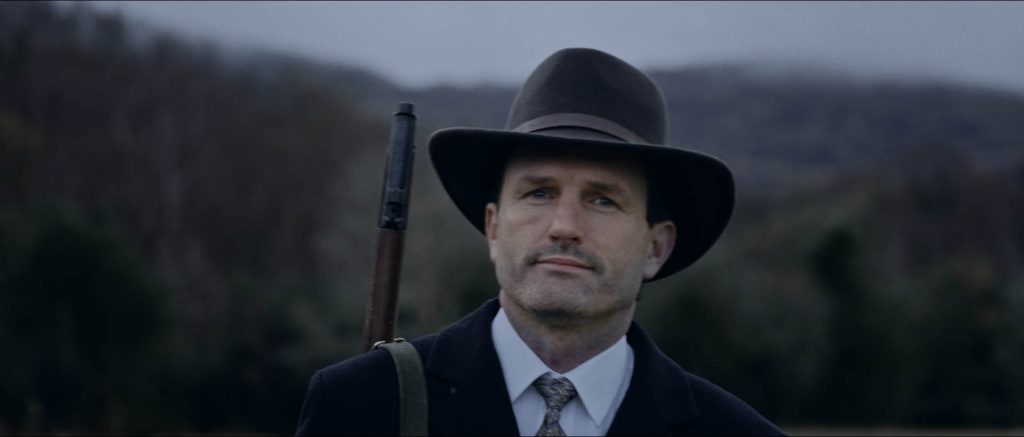
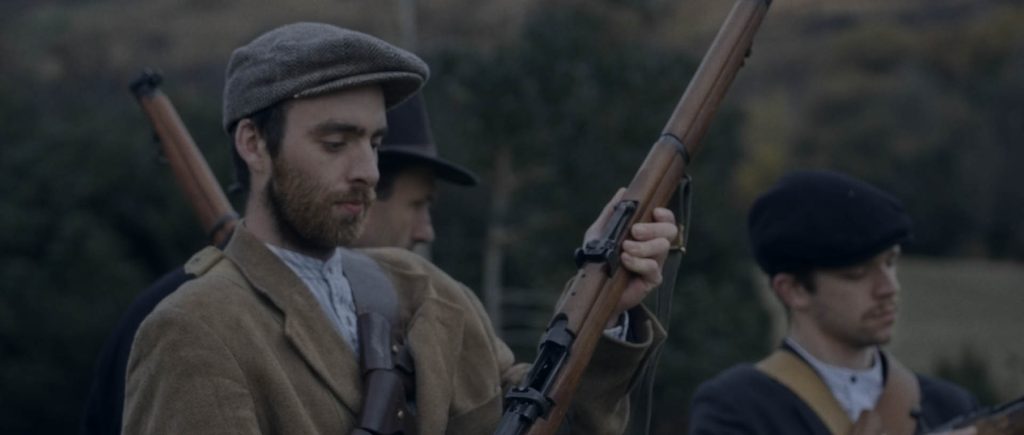
Set in the Sheen Valley, the film traces the life of John Flynn – born in Bonane in 1891, shaped by emigration, mining, military service and the trauma of the First World War, before returning home to become an invaluable training officer in the local IRA.
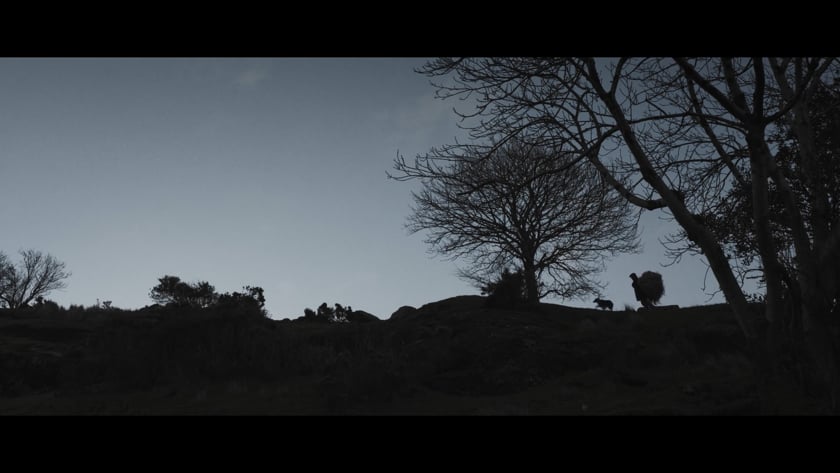
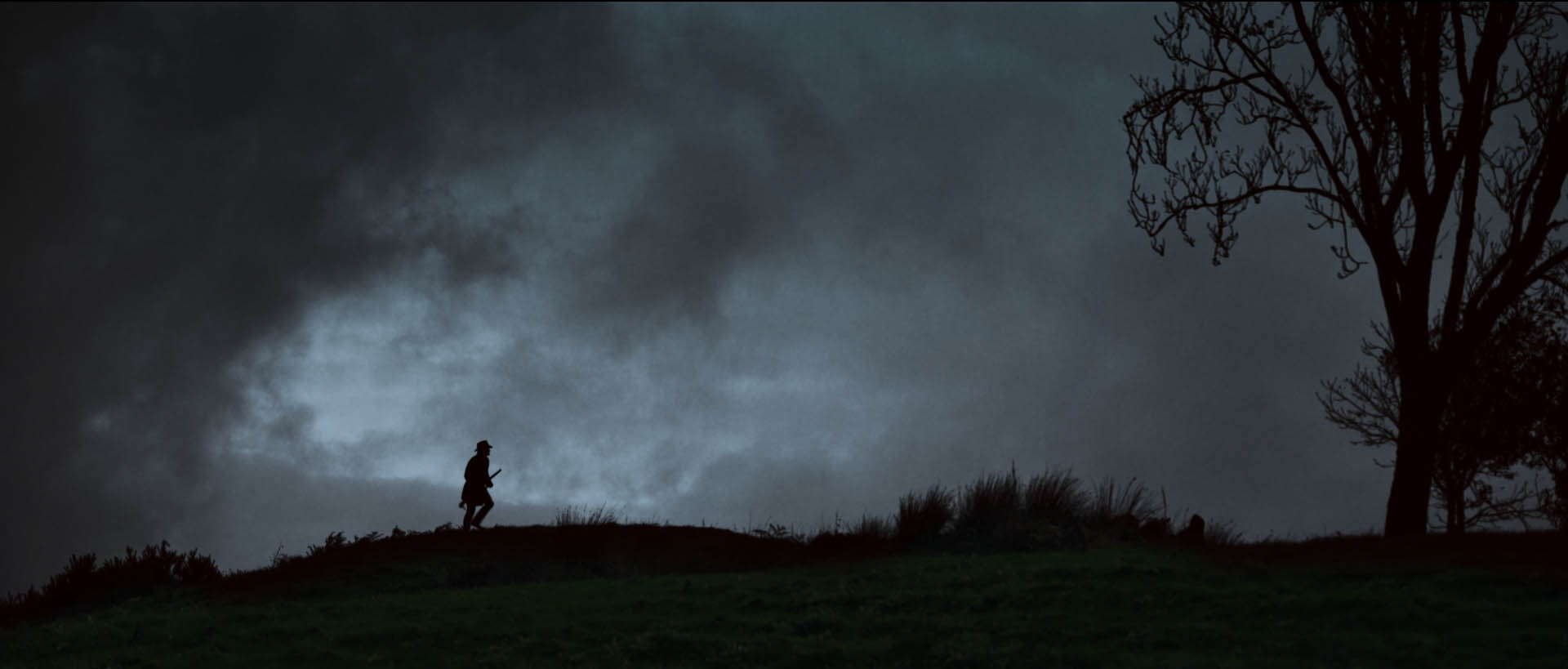
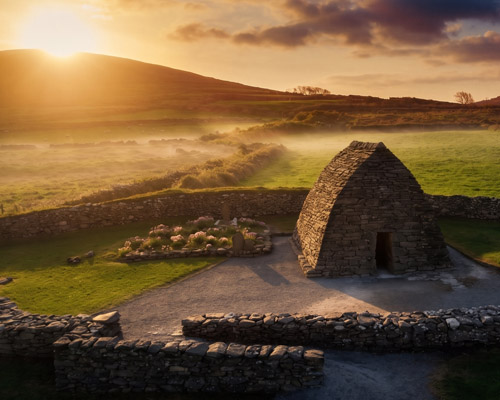
The film uses the landscape as a living archive. Stone ditches, open hillsides, railway lines and remembered hiding places become evidence of a restless past, allowing the viewer to feel how history remains embedded in place long after the names have faded.
“The ghosts of an old generation now roam once again in the minds of a new.”
Narration, Captain Flynn Documentary
The Story
The documentary opens 100 years after the War of Independence, in a valley where the conflict is almost forgotten to a generation. From there, it rebuilds the story of a man whose life moved through some of the defining forces of the early twentieth century.
John Flynn’s journey takes him from a crowded family home in Bonane to the mines of Wales, into the British Army, and then to the battlefields of Flanders and the Dardanelles. That experience marked him deeply, but it also gave him the skills that would later make him essential to the local IRA.
Returning to Kerry, Flynn became a training officer, teaching discipline, endurance, marksmanship and command to volunteers who already knew hardship, but needed the structure of soldiering.
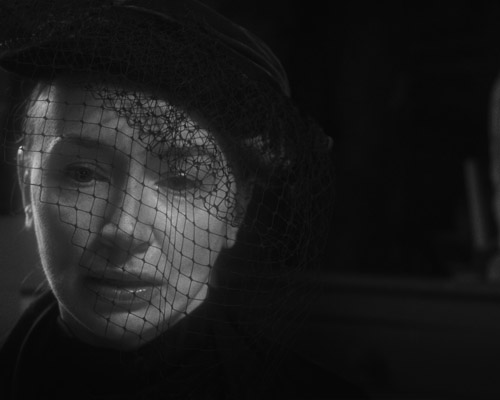
The film builds towards the events of 24 March 1921, when intelligence gathered by women including Petty Tagney helped create the opportunity for one of the most significant – yet often overlooked – actions of the War of Independence.
Approach
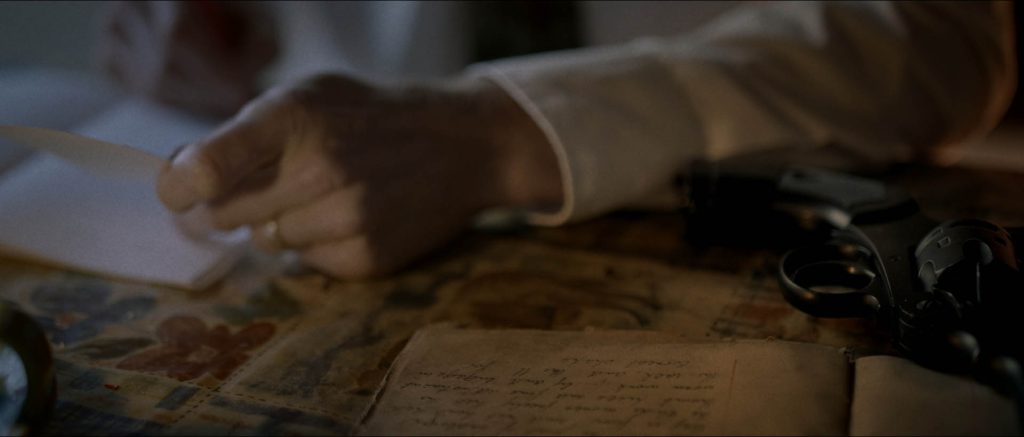
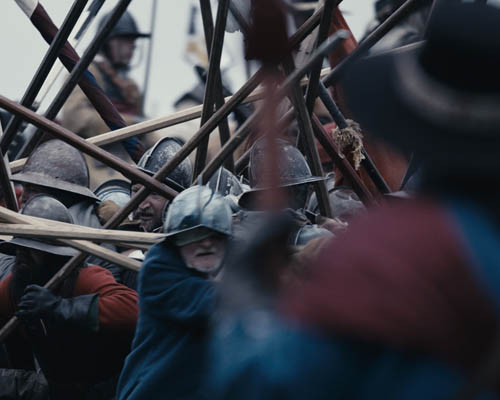
The storytelling approach is rooted in human detail: expert testimony, local memory, evocative landscapes and carefully staged visual fragments work together to make history intimate and immediate.
Human Lens
The film places national history inside one lived experience - a son, emigrant, soldier, fugitive and local leader.
Landscape as an archive
The Sheen Valley is filmed as a witness: open ground, mountains and hidden places carry the memory of movement, risk and resistance.
Expert Testimony
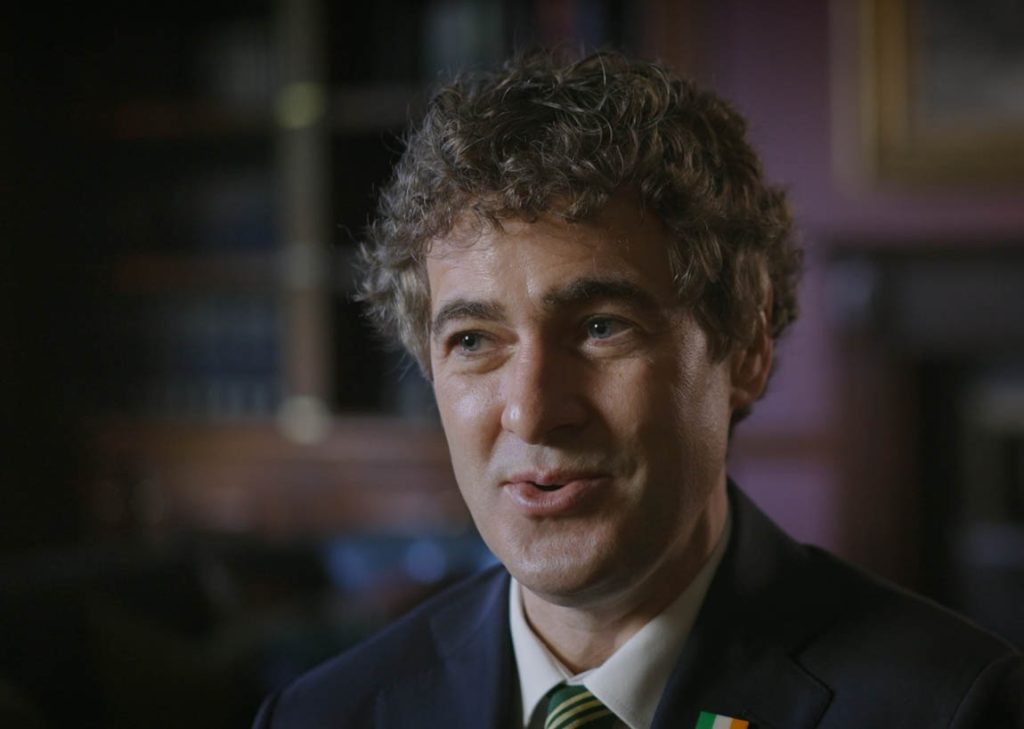
Historians and local voices give context to Flynn’s role, the IRA’s organisation, Crown Force reprisals and the importance of intelligence networks.
Cinematic Restraint
Somber music, natural light and period detail create atmosphere without overwhelming the historical material.
How forgotten stories return to public consciousness.
Place
The Sheen Valley as evidence, witness and emotional landscape.
Service
The complex path from British Army veteran to IRA training officer.
Sacrifice
The personal risk carried by men and women who could not know the outcome.
Outcome
The documentary gives Captain John Flynn’s story a renewed place in local and national memory. It shows how independence was not only shaped by famous names, but by rural communities, trained veterans, intelligence gatherers and people who acted under extraordinary uncertainty.
By connecting personal biography with wider historical forces, the film helps audiences understand the War of Independence not as distant myth, but as lived experience – carried in families, fields and townlands.
Relevance
Captain Flynn reflects the value of heritage storytelling at its strongest: it preserves history by making it felt. The film invites audiences to look again at familiar landscapes and recognise the lives, choices and sacrifices still present beneath the surface.